India’s hydrogen train pilot could decide how the country retires diesel on its railways
A single 90-kilometre pilot route in Haryana will test whether hydrogen fuel cell trains can replace diesel across India's non-electrified rail network.
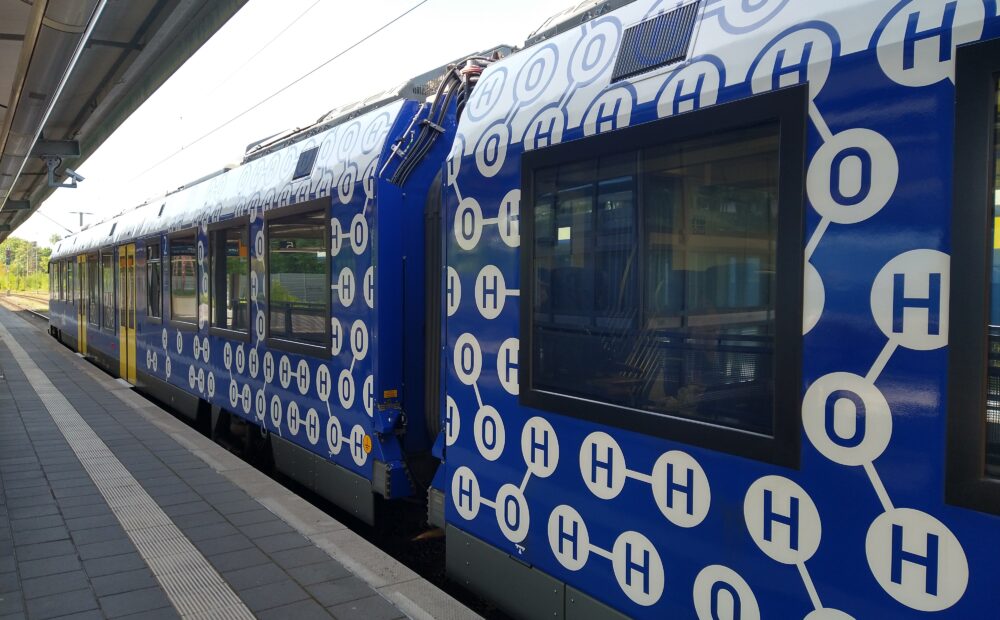
A 90-kilometre stretch of track between Jind and Sonipat in Haryana is about to become the testing ground for a technology that could eventually reshape how India runs its non-electrified railway lines. On July 17, Indian Railways will launch the country’s first indigenous hydrogen-powered passenger train on this exact route, under Northern Railway.
The Ministry of Railways approved the project in May this year, and the Railway Board has cleared a 10-car indigenous hydrogen fuel cell train equipped with a 1,200 kW hydrogen propulsion system, running at a maximum operational speed of 75 km/hr. According to the Press Information Bureau (PIB), the initiative marks a significant step towards “greener and more energy-efficient rail operations.”
Unlike diesel trains, which emit carbon dioxide and particulate pollution, hydrogen-powered trains produce only water vapour and heat, are quieter, and require less maintenance — qualities that make them particularly suited to routes that haven’t been electrified. The Jind-Sonipat corridor has been chosen specifically as a pilot project to test these operations at scale, with the train expected to carry around 2,500 passengers at fares likely ranging between Rs 5 and Rs 25.
If the pilot proves successful, officials say hydrogen-powered trains could eventually expand to more non-electrified routes across the country, positioning July 17 as what railway enthusiasts are calling the start of an entirely new chapter in Indian rail travel.

Leave a Reply