Japan is printing solar cells the same way it prints newspapers
Japan is developing ultra-thin, flexible perovskite solar cells manufactured using high-speed printing techniques similar to newspaper production.
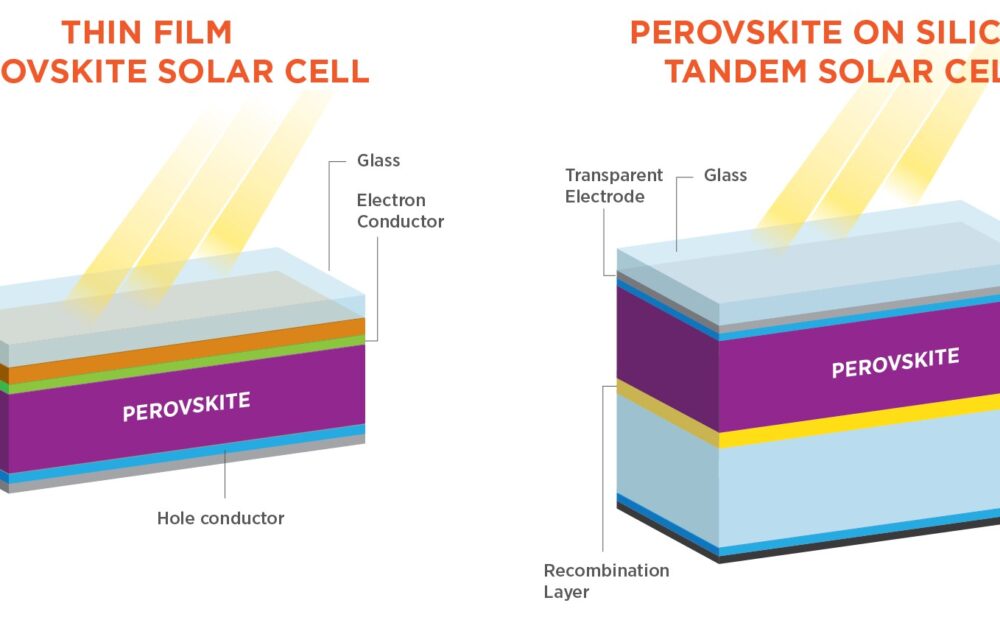
For decades, solar power has largely meant one thing: rigid silicon panels fixed to rooftops or spread across vast solar farms. Japan is pursuing a very different idea. Instead of heavy glass modules, researchers and manufacturers are developing ultra-thin, flexible solar cells produced using high-speed printing techniques similar to those used for newspapers.
The work centres on perovskite solar cells. According to Japan’s Agency for Natural Resources and Energy, the light-absorbing perovskite layer is only a tiny fraction of the thickness of a conventional silicon wafer and can be deposited onto flexible plastic or metal substrates using printing or coating techniques.
Rather than cutting and assembling individual silicon wafers, manufacturers print successive ultra-thin layers onto continuous rolls of flexible material, allowing long sheets of solar film to be manufactured at high speed. Less raw material is required, factories can operate more efficiently, and the finished products are dramatically lighter than glass-covered panels.
The technology isn’t without challenges. Perovskite cells generally have shorter operating lifespans than established silicon panels, particularly when exposed to heat and moisture over long periods. Even so, encapsulation and protective coating technologies continue to improve, gradually addressing what was seen as the main drawback.
Japan aims to commercialise perovskite solar cells over the coming decade as part of its broader clean energy strategy, with the goal of filling gaps that rigid panels simply cannot reach.
Image: Wikimedia Commons/by National Renewable Energy Laboratory



Leave a Reply