One AI company now controls half of Oracle’s $638 billion bet
OpenAI now accounts for roughly half of Oracle's $638 billion in remaining contracted revenue, a dependency that helped trigger a credit downgrade from S&P Global Ratings.
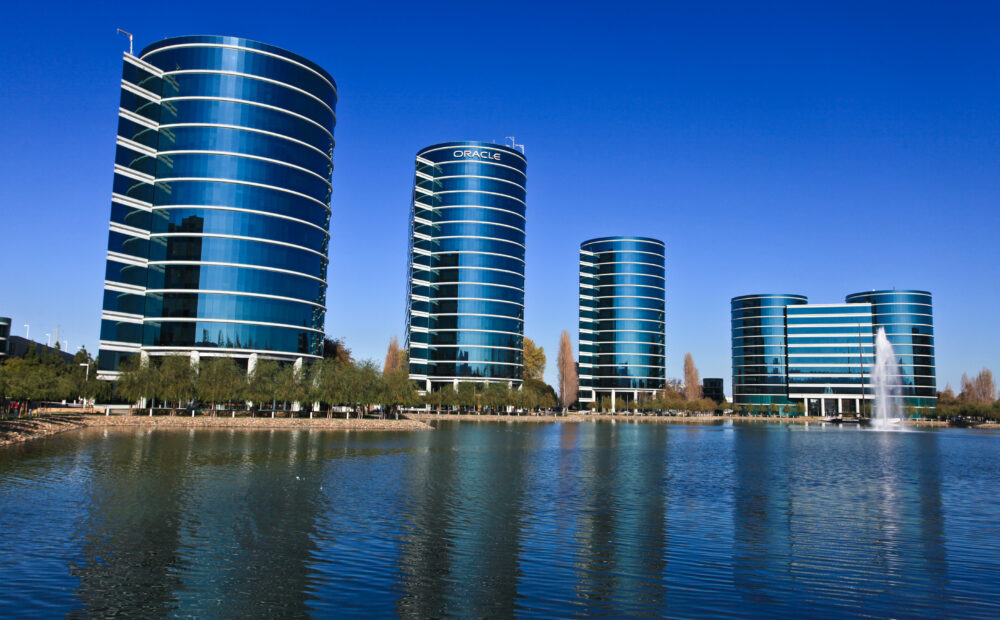
Oracle’s remaining performance obligations — the contracted revenue it expects to collect in coming years — stand at $638 billion. According to S&P Global Ratings, roughly half of that figure is tied to a single customer: Sam Altman’s OpenAI.
That concentration is now weighing on Oracle’s credit profile. S&P has lowered Oracle’s long-term issuer credit rating from ‘BBB’ to ‘BBB-‘, one notch above junk status, while keeping its outlook stable. The agency warned that if OpenAI is unable to pay for the capacity it has committed to, Oracle ‘could be left with massive data center leases’ built to serve demand that may not materialize.
The competitive landscape around that AI compute demand is shifting quickly. S&P pointed to SpaceX’s recent move to lease its own compute capacity to Anthropic and Alphabet — with Meta seen as a potential next entrant — as a sign that more players are now competing for the same customers Oracle depends on. The agency said this kind of competition doesn’t hit industry economics immediately but could pressure re-leasing terms once existing contracts come up for renewal.
Oracle’s pivot toward AI infrastructure has been rapid: the segment made up 27% of revenue in fiscal 2026 and is projected to reach nearly 60% by fiscal 2028, according to S&P. The agency considers this business meaningfully riskier than Oracle’s legacy enterprise software and database operations, since it requires large upfront capital spending on data centers while payback stretches across multi-year contracts, with rising component costs adding further pressure.
S&P also cautioned that near-term AI compute demand, while currently strong, could reverse if frontier model developers can’t raise outside financing or stop subsidizing customer costs, or if enterprise customers pull back spending after underwhelming returns. In a downturn scenario, the agency expects Oracle to underperform other hyperscalers because it leans more heavily on external customers than internal workloads, and because larger rivals have more financial flexibility to outspend it.
Further downgrades are possible, S&P said, if Oracle’s leverage sustains above 4.5x, if it isn’t on pace for positive free operating cash flow by fiscal 2029, or if the agency’s view of Oracle’s AI strategy — or the AI industry generally — turns negative.
Wikimedia Commons/by Hakan Dahlstrom

Leave a Reply