Gen Z’s AI anxiety is climbing: Gallup CEO says Mars might get fixed first
Gallup research shows Generation Z workers grew more anxious about AI between 2025 and 2026, part of a wider disengagement crisis CEO Jon Clifton compares to reaching Mars.

Younger workers are growing more anxious about artificial intelligence at work, not less — and that trend sits at the heart of a striking comparison made recently by Gallup chief executive Jon Clifton, who said humanity might land on Mars before employers fix what is broken about the modern workplace.
Gallup’s research, discussed by Clifton at the Jobs for the Future Horizons conference and reported by Fortune, found that positive feelings about AI among Generation Z workers declined between 2025 and 2026, alongside a rise in frustration and concern. Much of that unease, according to LinkedIn’s chief economic opportunity officer Aneesh Raman, stems from employees feeling shut out of decisions about how AI tools get rolled out at their companies — decisions that are often made almost entirely by executives and technology specialists.
Raman argued that AI could eventually widen access to knowledge and opportunity for younger workers, but that outcome depends heavily on how organisations choose to introduce it. Left unmanaged, the same technology that promises efficiency gains risks becoming another source of workplace pressure rather than relief.
Clifton’s broader point, drawn from Gallup’s wider engagement data, is that the AI anxiety is a symptom rather than the disease. The company estimates that poor employee engagement overall cost roughly $10 trillion in lost productivity worldwide over the past year, and Clifton was blunt about the cause: ‘The problem is the workplace,’ not the people in it.
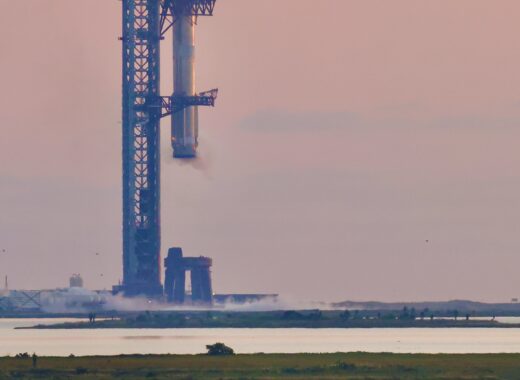
The Mars comparison is meant to underline the gap between technological ambition and workplace reality. Companies such as Musk’s SpaceX continue to chase headline-grabbing goals like Mars settlement, while Sam Altman and Jeff Bezos have both spoken about space travel becoming more routine. Yet for Gen Z employees navigating AI-driven change at their own desks, the more immediate frontier — a workplace that feels stable and supportive — remains largely unconquered.
Clifton pointed to management quality as the strongest lever available to employers right now: employees who feel their managers are helping them use AI effectively are far more likely to say they can do work that matches their strengths.
Wikimedia Commons/by NASA/JPL

Leave a Reply