India’s Foreign Ministry Wants Interns: 75 Spots, ₹10,000 a Month
The Ministry of External Affairs is accepting applications for its 2026 internship programme, offering a monthly honorarium of ₹10,000 to 75 selected Indian graduates and final-year students.
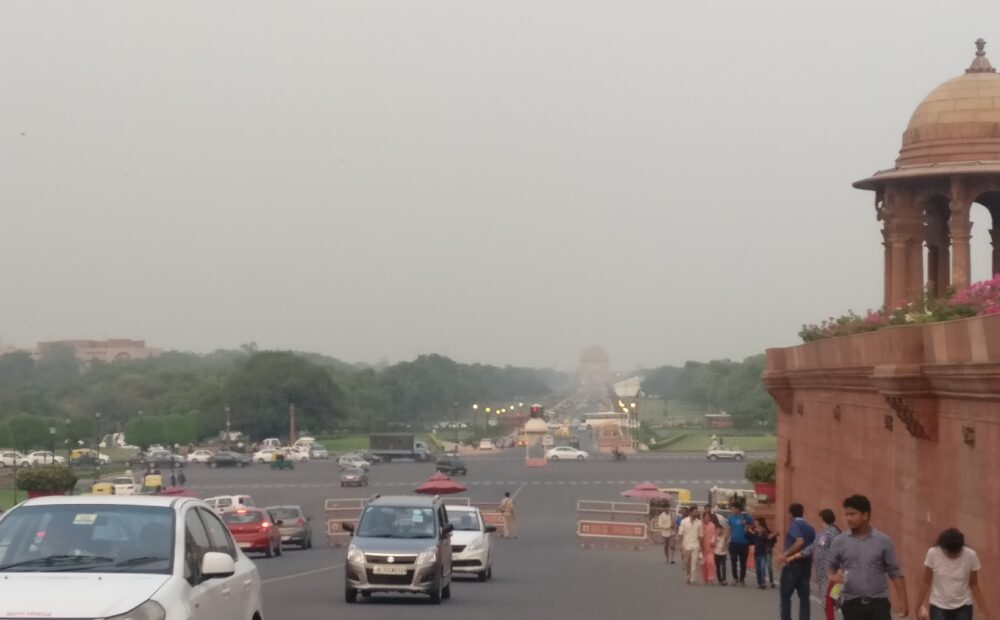
Indian graduates chasing a seat inside South Block now have a formal route in. The Ministry of External Affairs (MEA) runs an Internship Programme that pays selected candidates a monthly honorarium of ₹10,000, places them across the ministry’s divisions and attached offices, and even opens the door to a possible visit to one of India’s missions abroad, subject to prevailing conditions. First launched in 2022, the programme runs a single three-month term each year, from April to June, with 75 internships offered annually.
Eligibility is built around two entry points. Indian citizens who already hold a graduate degree from a recognised university can apply, and so can students in the final year of their graduation where an internship is a mandatory part of the curriculum. There is also an age ceiling: candidates cannot be older than 25 years as of 31 December of the year they intend to intern. The ministry has said it is deliberately steering the selection toward diversity of gender, geography, and socio-economic background, and it gives priority at various stages to candidates from districts under the Transformation of Aspirational Districts Programme (TADP) and to those from SC, ST, OBC, and EWS categories.
Beyond the honorarium, selected interns get the cost of a one-time to-and-fro economy class air ticket, covered up to the standard fare between their home state’s capital (or their college city) and Delhi, though boarding and lodging in the capital remain the intern’s own responsibility. Once placed, interns are assigned specific work by the head of their division, which can range from research and report writing to tracking evolving developments, and each intern is expected to submit a detailed report, and where required a presentation, at the end of the term.
Selection runs in two stages. A preliminary screening ranks applicants by their marks in Class 12 and graduation, feeding into state-wise merit lists prepared separately for male and female candidates. Those who clear screening are called for a personal interview conducted over video conferencing, with the number of candidates interviewed running to roughly three times the number of final internship slots. The ministry has said its selection follows a quota-cum-weightage system: two interns from each of the 28 states, two from each of the 8 union territories, and three additional interns selected on merit from TADP districts or underprivileged sections, with at least 30 percent of the 75 slots reserved for women.
Applications go through the MEA’s internship portal. Candidates first register at internship.mea.gov.in/registration with their full name, gender, email ID, and a password, then confirm the password and complete a captcha before submitting. A verification email arrives from the ministry’s egov team, and clicking ‘Activate Account’ confirms the registration. From there, applicants log in to the dashboard, select ‘Apply for Internship’, and fill in personal, educational, and internship details before uploading the required documents and submitting a final application. The documents needed include an Aadhaar number, proof of identity, proof of address, proof of age or date of birth (Class 10 or 12 marksheet), proof of current educational qualification, and bank account details for the stipend payment. Interns who are selected must additionally submit, at the time of joining, a letter from their institution’s head confirming their status and a No Objection Certificate permitting them to undertake the internship.
The Ministry of External Affairs has not published a fixed annual application deadline in its published scheme details, and interested candidates are advised to track the official portal directly for the current cycle’s timeline. Source: myscheme.gov.in
South Block, New Delhi/by Ginevrajocosa88, Wikimedia Commons

Leave a Reply