The seafloor sank four metres in days as this Indian Ocean eruption unfolded
Pressure sensors recorded the seafloor sinking roughly four metres during a rare, directly observed seafloor spreading event in the Indian Ocean.
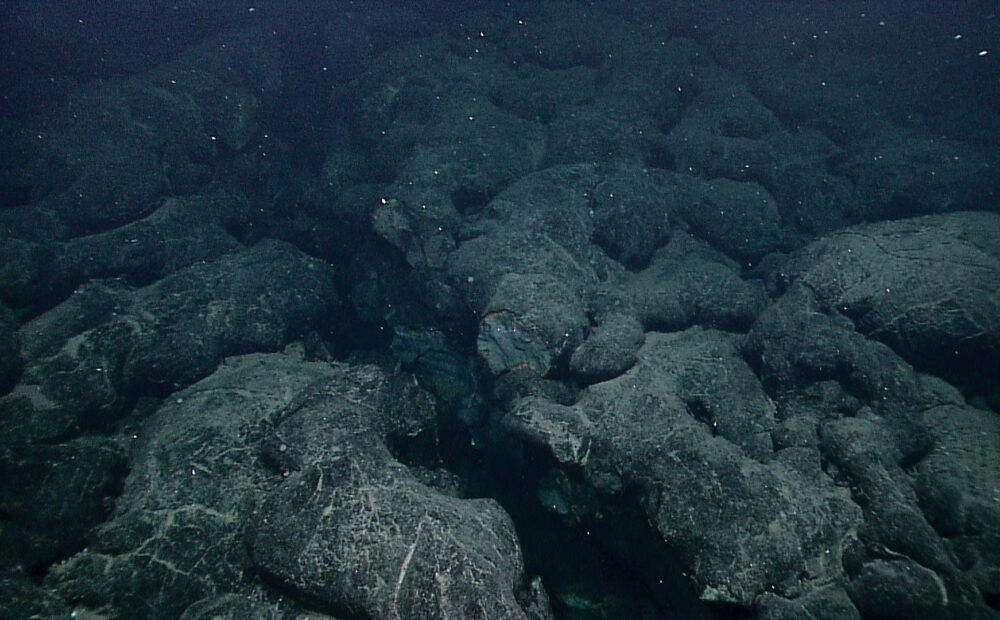
Pressure sensors resting on the seabed of the Southeast Indian Ridge recorded something striking in April 2024: the valley floor began sinking fast, with more than a metre of subsidence occurring within hours and a total drop of roughly four metres over the following days.
The measurements, detailed in a study published in Nature on July 8, 2026, suggested that a large magma reservoir beneath the ridge was emptying as molten rock moved upward and outward through newly formed fractures. Acoustic transponders placed on opposite sides of the valley recorded horizontal shifts exceeding one metre, revealing that the seafloor was physically stretching apart during the event.
According to the study, a magma-filled crack known as a dyke propagated through the crust while faults bordering the ridge slipped simultaneously, together producing several metres of extension — an amount equivalent to decades of normal plate movement compressed into a brief geological episode.
The underground activity eventually reached the ocean floor. Comparing seafloor maps from before and after the event, researchers identified extensive new lava flows, some exceeding 90 metres in thickness, with an estimated volume of between 148 million and 160 million cubic metres erupting over roughly 16 days.


Leave a Reply