A meteorite crashed into a New Jersey bedroom: what scientists found inside stunned them
A 4.5-billion-year-old meteorite that punched through the roof of a Hillsborough, New Jersey home in 2024 has turned out to be one of the best-preserved carbonaceous chondrites ever collected, containing organic material and amino acids.
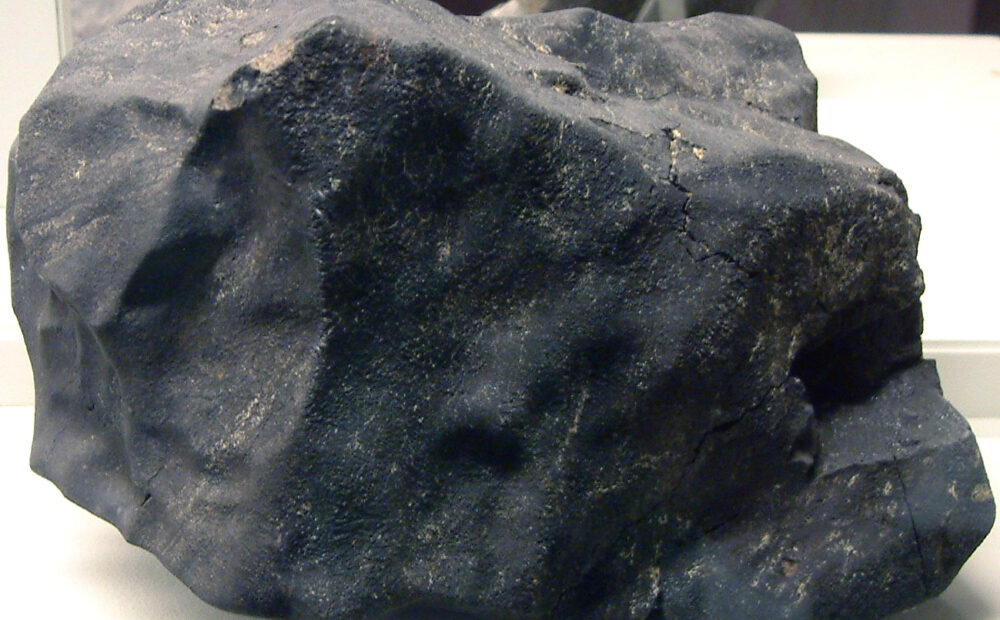
A small piece of space history arrived through the roof of a New Jersey house in 2024, and it has kept scientists busy ever since. The meteorite that struck a home in Hillsborough was not just an unusual visitor from the solar system; it became a rare scientific sample almost immediately after landing, preserved carefully by the homeowner who found it.
The event began as a flash across the eastern United States sky on 16 July 2024. People from New York to New Jersey reported seeing a bright object streak overhead, accompanied by a loud sonic boom that rattled parts of the region. The space rock, estimated to have weighed around 50 kilograms before breaking apart, travelled through the atmosphere at high speed before fragments reached the ground, with one piece punching through the roof and ceiling of a bedroom.
The homeowner quickly realised the object was unusual. The dark fragments carried a strong sulphur-like smell, but their importance became clearer once scientists examined them. Handled with gloves and placed in containers rather than touched directly, the fragments avoided much of the contamination from skin oils and moisture that normally degrades meteorite samples, even though some pieces did pick up small amounts of material from the roof and carpet.
Laboratory analysis revealed that the meteorite, now known as the Hillsborough meteorite, belongs to a rare group called CM1/2 carbonaceous chondrites, which originated in the very early stages of the solar system’s formation around 4.5 billion years ago. Certain parts of the meteorite show the effects of reactions with water, while others show little change, making it a mixture of CM1 and CM2 characteristics.
Organic materials and amino acids were found inside the fragments. While these compounds are associated with life, their presence does not prove living organisms existed in the meteorite; instead, they offer information about the chemical environment that existed before life emerged on Earth. Scientists also found salt-rich mineral deposits, suggesting the parent asteroid once had areas where liquid water collected and later evaporated, leaving minerals and salts behind.
Investigators reconstructed the meteorite’s journey using videos from the public, security cameras and weather radar from Newark Airport, which detected a trail of smaller fragments falling across the region as the object broke apart. The calculations suggest the meteorite originated from the inner region of the asteroid belt, located between Mars and Jupiter.
Image credit: Wikimedia Commons/by James St. John


Leave a Reply