Human voices spook Alaska’s bears 10 times more than engine noise, study finds
A new Pacific Northwest Research Station study found human voices near Alaska's salmon streams make bears and eagles flee almost 10 times more often than natural sounds, disrupting how salmon nutrients reach nearby forests.
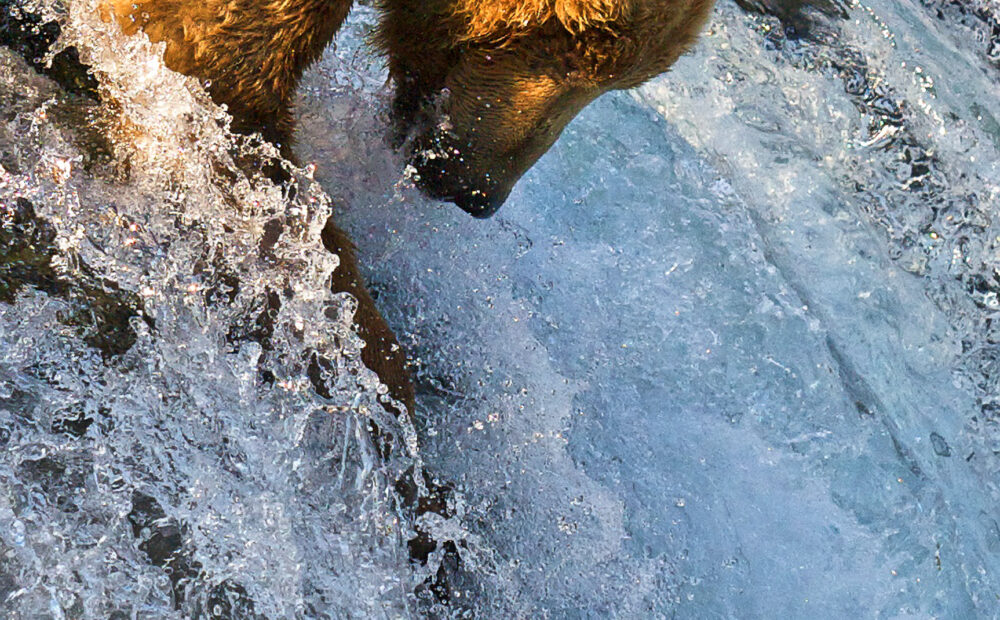
Researchers at the Pacific Northwest Research Station set up motion-activated cameras and speakers along riverbanks in the Héen Latinee Experimental Forest near Juneau, Alaska, to test how wildlife reacts to different sounds. The team, led by research ecologist Philip Manlick, played recordings of off-highway vehicles, human conversation, and natural seabird calls as a control, while placing salmon nearby to draw in predators.
The results were stark. Animals were twice as likely to flee when they heard off-highway vehicle sounds compared with natural noise, and almost 10 times more likely to run when they heard human voices. Bears and bald eagles that had been feeding on salmon abandoned the site within moments of hearing people talk.
At locations with frequent human disturbance, predators changed how and when they hunted. They took fewer salmon directly from the streams and shifted much of their feeding to nighttime hours to avoid encountering people, according to the study.
The shift matters beyond the animals themselves. When salmon are plentiful, bears typically eat only the richest parts of the fish — the brains, skin and eggs — leaving the rest of the carcass on the forest floor. As those remains and bear waste break down, they release nitrogen that acts as a natural fertiliser for surrounding trees and plants. Pushing bears away from streams, or forcing them to feed only after dark, changes where and when this nutrient transfer happens.
A separate long-term study in British Columbia, led by Dr Megan Adams of the University of Victoria and the Raincoast Conservation Foundation, reached a similar conclusion. Her team analysed chemical clues in grizzly bear hair collected between 1995 and 2014 across 88,000 square kilometres and found that human structures and activity in river valleys had a stronger effect on a bear’s salmon diet than how many fish were actually available. Female grizzlies in areas with human activity cut their salmon intake by as much as 59%.
Scientists involved in both studies are now calling for stronger protections along salmon streams, including larger buffer zones and seasonal restrictions such as closing wilderness roads during the peak autumn spawning season. Manlick said the goal isn’t to keep people out of forests entirely, but to plan tourism and industrial activity so that quiet feeding areas remain where ‘bears can be bears.’
Wikimedia Commons/by Dmitry Azovtsev
Leave a Reply