India’s 10-minute delivery apps are quietly fighting over the same 2,722 pincodes
New Bernstein estimates show India's quick-commerce giants added nearly 900 dark stores in three months, but almost all of that growth was packed into pincodes they already served.
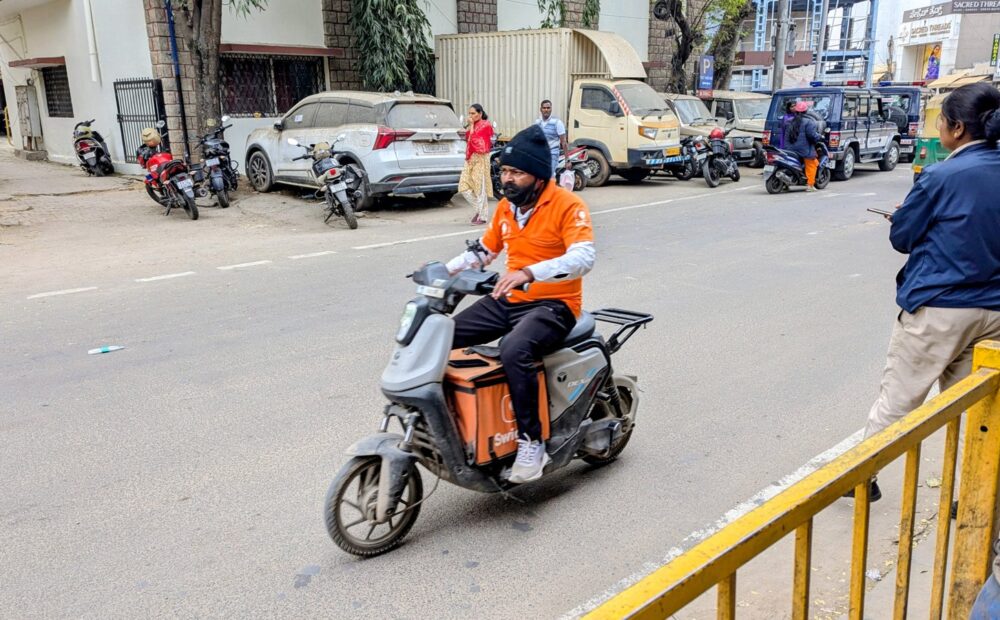
Nearly 900. That’s how many new dark stores India’s top five quick-commerce companies opened between April and July this year, according to estimates from equity research firm Bernstein. But the more revealing number might be 152 — the count of new unique pincodes those stores actually reached.
Blinkit, run by Eternal, opened 289 of those stores, growing its network to 2,511. Flipkart Minutes, Walmart’s quick-commerce bet, added 262 to hit 1,003, and Amazon Now added roughly 250, nearly doubling its size to 600-700 stores. Amazon and Flipkart’s combined additions made up more than half of the industry total. Zepto, gearing up for a public listing, grew by a smaller 90 stores to 1,345, while Swiggy Instamart stayed essentially flat at 1,187.
Put together, the five companies now run somewhere between 6,650 and 6,750 dark stores, up from about 5,750-5,850 just three months earlier. Yet the pincode count they collectively reach grew by only 152, landing at 2,722 — confirmation that most of the fresh stores opened in neighbourhoods where quick commerce was already available, not new ones.
Metro cities are absorbing the bulk of this crowding. They now hold about 4,300 dark stores between them, well past the roughly 3,600 Bernstein estimates the market can profitably support there. The share of metro pincodes served by all five companies simultaneously jumped from 26% in April to 44% in July, a sign of just how concentrated the competition has become.
Datum Intelligence founder Satish Meena said the expansion by Amazon and Flipkart is driven by more than quick-commerce economics alone — it is also about protecting their broader ecommerce platforms. Grocery orders keep customers opening the app often, and that habit tends to spill over into other categories like beauty, electronics and fashion. ‘Habit is the real prize,’ Meena said. ‘It is about the top 50-60 million wallets and about which app owns their daily habit.’
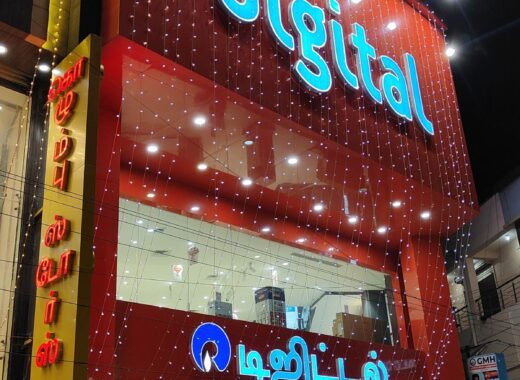
Reliance’s JioMart is building its reach differently, tapping its existing retail footprint rather than standalone dark stores. The company reported JioMart’s average daily grocery orders rose 116% year-on-year in the June quarter, with the service now covering about 5,500 pincodes and more than 2,500 Reliance Digital and Reliance Fashion & Lifestyle stores feeding its two-hour delivery option. Angshuman Bhattacharya of EY-Parthenon India said dense clustering within one pincode — which can span 8-10 sq km — is often necessary rather than wasteful, though he added that new entrants to the space may face a longer wait before turning a profit.
Wikimedia Commons/by SerChevalerie


Leave a Reply