Barcelona’s new roads are made from olive pits: here’s the surprising reason
Engineers in Barcelona are testing an asphalt mixture that uses biochar made from olive pits to store carbon inside road surfaces for decades.
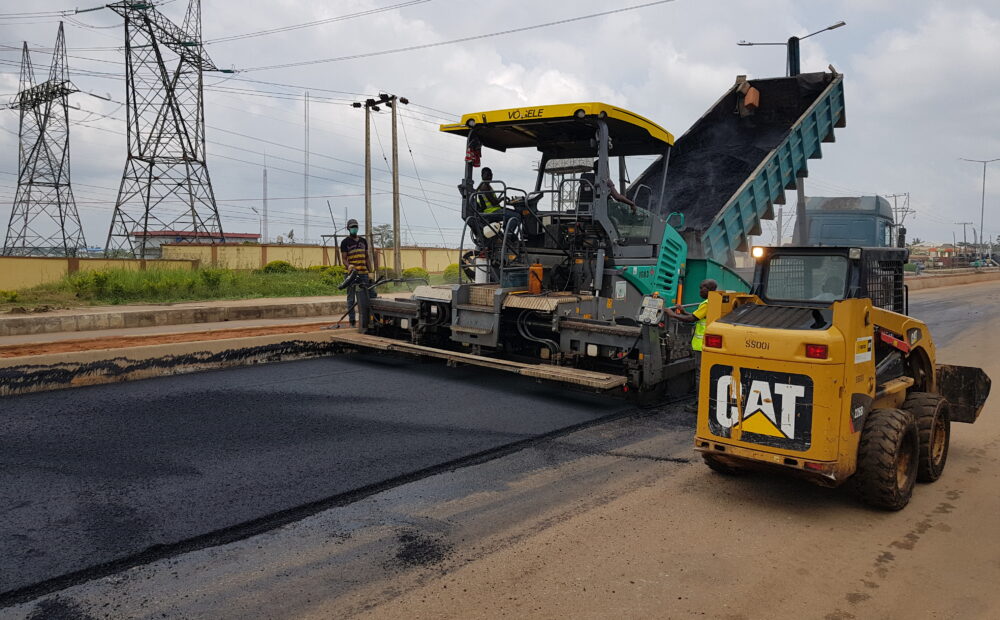
Spain generates enormous quantities of olive pits every harvest season, and engineers in Barcelona have found an unusual second life for that agricultural leftover: paving city streets.
The project, developed through Barcelona’s ’21st Century Street Section’ challenge, has produced an asphalt mixture that swaps out the conventional mineral filler for biochar made from olive pits and pine residues. According to the Advanced Carbons Council, the material is already being tested on a public street in the city, where its performance is monitored under real traffic and weather conditions.
The biochar itself is created through pyrolysis, a process that heats organic matter in the absence of oxygen. That converts the olive pits into a carbon-rich solid that can be mixed directly into construction products, rather than letting the pits decompose or get burned, both of which release the carbon they once stored back into the atmosphere.
Because pyrolysis locks that carbon inside the biochar, and the biochar then becomes part of the road surface, the carbon stays embedded for years or even decades. The Advanced Carbons Council reports the approach could cut the carbon footprint of asphalt paving by roughly 75 per cent compared with conventional alternatives, with early data from the pilot suggesting similar reductions.
The pilot itself covers approximately 2,000 square metres on Carrer Cerdà in Barcelona’s Eixample district, developed by construction firms AMSA and ELSAN with researchers from the Polytechnic University of Catalonia. Construction group Sorigué is now watching how the surface holds up under daily traffic, checking for durability and cracking resistance, while municipal authorities weigh whether the material can be supplied consistently enough to fit existing procurement systems.
Spain is the world’s largest olive oil producer, which means the raw material for this kind of project is never in short supply. Researchers have also tested olive-pit biochar in concrete, where early results point to lower carbon emissions and better resistance to water penetration, suggesting the idea could stretch well beyond road paving.
Wikimedia Commons/by Sammya Nig Ltd


Leave a Reply