Frog jumps and word-search games: how a Bhopal teacher turned Sanskrit class into play
A Sanskrit teacher in Bhopal has built a free AI-assisted gaming lab that teaches grammar, vocabulary and verses through games like frog-jump quizzes and word searches.
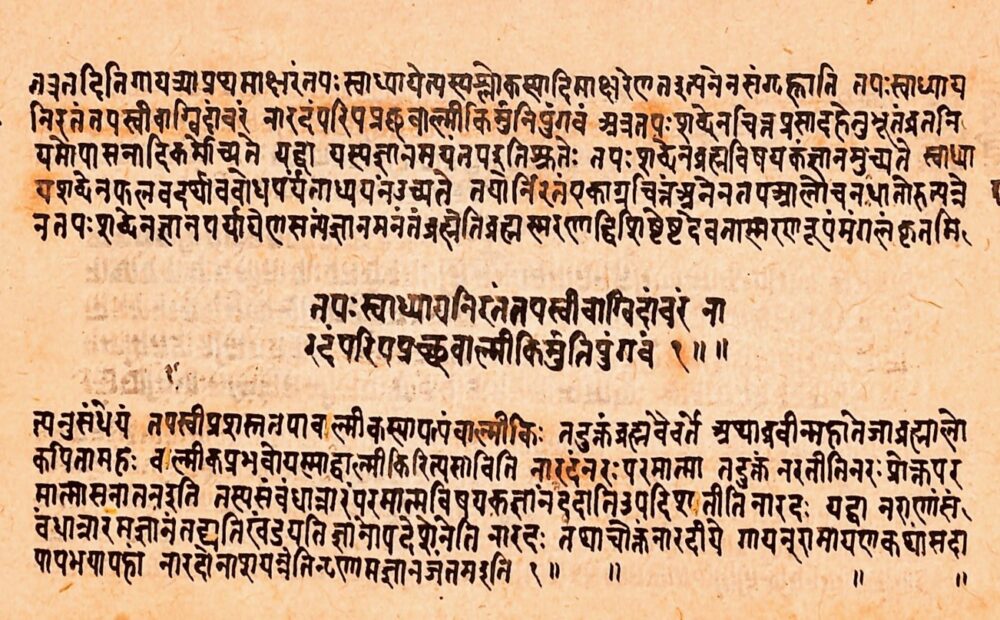
In a unique blend of the old and new, a Sanskrit teacher in Bhopal is encouraging his pupils to reimagine learning the ancient language, not by rote but with a modern-day tool. Abhishek Tiwari, who teaches Sanskrit at Bhopal’s PM SHRI Kendriya Vidyalaya-1 school, has created an AI-assisted gaming laboratory that is already changing how students approach the subject.
The titles in his gaming lab read like classroom favourites recast as games. Mandook-Sanskrit-Yatra, or Frog Jump, lets a frog hop forward when students answer correctly. Shabdanveshanam is a word-search puzzle, Varnamelanam pairs shlokas and antonyms, and Sanyuktavyanjan-Nirman challenges learners to build words from scrambled letters.
Other modules borrow popular formats to build motivation. Sanskrit-Maha-Quiz mimics the multiple-choice model of the quiz show ‘Kaun Banega Crorepati,’ while Medhashakti-Prayog adapts the memory-card game to topics such as Sandhi and Samas. Riktasthan-Sampoorti has participants drag scattered options to complete sentences, and Surya-Namaskar Strike tests the sequence of the 12 asanas alongside their mantras, alongside riddle-based and crossword-style modules.
Tiwari said he was frustrated that many students viewed Sanskrit as a subject where they simply needed to score a passing mark rather than enjoy learning it. He used generative AI to mine NCERT textbooks for classes 6 to 10 and turn the material into interactive content, creating a free online portal in the process. ‘My objective is to make learning and understanding Sanskrit fun. The response, so far, has been very encouraging,’ he told TOI.
Tiwari said students are voluntarily spending far more time learning Sanskrit through the games than they do through conventional homework, often replaying exercises until they master concepts. Fellow teachers said the self-paced, low-pressure format also encourages weaker learners to repeat activities without peer scrutiny, improving comprehension and inclusivity.


Leave a Reply