Boiled water, fresh food, clean hands: doctors’ monsoon checklist against stomach infections
Doctors say simple food and water habits, from boiling drinking water to washing hands before meals, can meaningfully cut the risk of monsoon stomach infections.
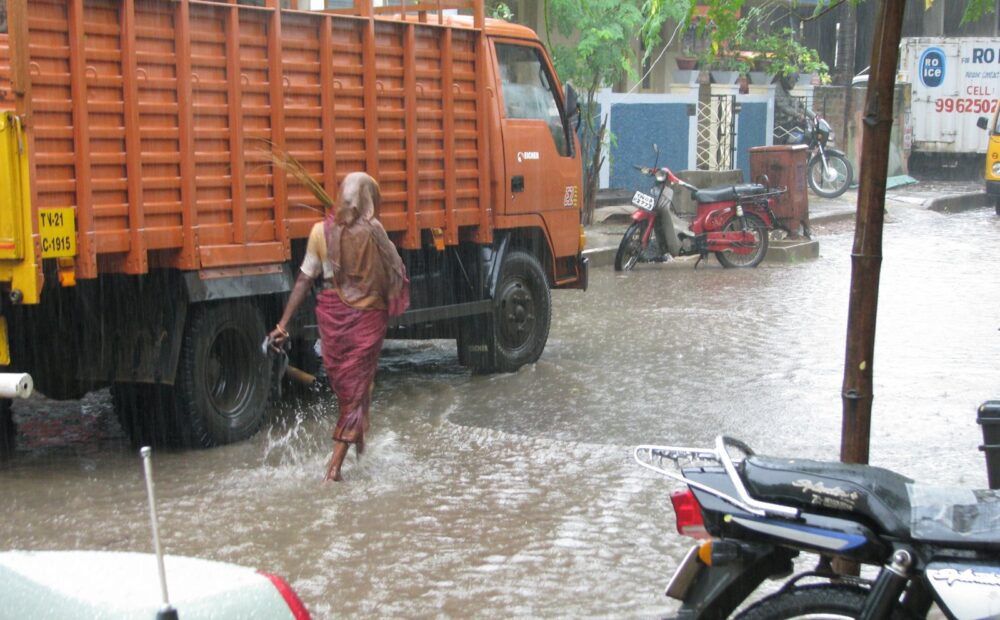
The first spell of monsoon rain brings its own charm, the smell of wet earth, cooler evenings and hot snacks, but health experts say it also brings a noticeable rise in patients complaining of vomiting, diarrhoea, stomach cramps, food poisoning, gastroenteritis, typhoid and even hepatitis A. Rainwater can contaminate drinking water sources, humidity allows germs to multiply faster, and uncovered food spoils more easily than many people realise.
Dr Vineet Kumar Gupta, senior consultant and unit head of gastroenterology at ShardaCare – Healthcity, said the first step is ensuring drinking water is safe. ‘Opt for either boiled, filtered, or bottled water. In case of any doubt regarding the safety of your water, a good water purifier or chlorination tablets can be utilized to ensure that it is safe for drinking,’ he said. Air Cmde (Dr) Bhaskar Nandi, director and head of gastroenterology, hepatology and endoscopy at Sarvodaya Hospital, added that people should avoid ice or beverages from unsecured sources.
Fresh, home-cooked food is safer than food that has been sitting out, doctors said. Dr Gupta advised avoiding street-vendor food or anything that has been lying around, since it is more likely to be contaminated in humid conditions. Dr Vinay Bhat, associate director of internal medicine at Yashoda Medicity, echoed the advice, recommending that people avoid roadside foods, open snacks and pre-cut fruits during the rainy season.
Washing produce properly also matters more than many assume. Dr Gupta suggested soaking fruits and vegetables in vinegar for a few minutes, and advised against eating raw sprouts or pre-chopped fruits sold in supermarkets, both of which can carry higher levels of contamination.
Kitchen hygiene rounds out the precautions: cleaning utensils, chopping boards and surfaces with soap and water, refrigerating leftovers promptly, and reheating food thoroughly before eating. Handwashing before meals, while cooking and after using the restroom remains one of the simplest and most effective habits, doctors said.
Dr Nandi added that anyone experiencing diarrhoea or vomiting should stay hydrated and eat light foods, and see a doctor if symptoms persist for several days or are accompanied by high fever or blood in vomit.


Leave a Reply