Lucknow’s Loudest Secret? A 6 AM Walk Where Birds Still Own the City
Ahead of World Listening Day, TOI recorded the natural dawn soundscapes of five Lucknow green spaces, from birdsong-filled parks to a near-silent wetland.
At 6 am, before the city’s traffic and horns take over, Lucknow sounds like an entirely different place. Cool morning air drifts through tree-lined paths, birds greet the sunrise, and the rustle of leaves briefly replaces the hum of vehicles. Ahead of World Listening Day, observed globally on 18 July, a tour of five green spaces across the city set out to capture exactly what that quiet actually sounds like — and found that despite rapid urbanisation, nature still has a voice here.
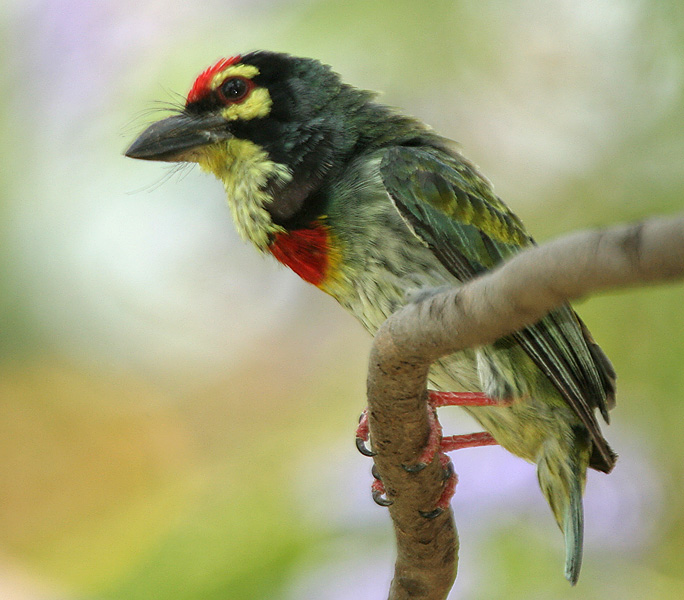
The clearest example came from Janeshwar Mishra Park, where the coppersmith barbet’s rhythmic ‘tuk-tuk-tuk’ call rang out through the trees, joined by whistling Oriental magpie robins, chattering bulbuls and parakeets calling overhead, with cicadas and crickets filling in a steady background buzz. Regular visitor Ramesh Srivastava said the sounds help him relax, while yoga practitioner Sunita described the park as a peaceful escape from city life.
At Lohia Park, the soundscape was gentler — birdcalls from the trees, leaves rustling in the breeze, insects humming through the grass. Gatekeeper Manish Tiwari said most visitors come specifically for the fresh air and quiet. Regular walker Piyush Srivastava said the sounds leave him refreshed, and fellow visitor Shubh Patel called it an ideal way to start the day.
Over at the NBRI Botanical Garden, a koel’s call fills the space before the city fully wakes, with mynas, parrots, bulbuls, crows and peacocks soon joining to build a lively chorus. Visitors said the sounds help them disconnect from daily worries — student Yashi Singh said birdsong encourages people to set aside their earphones and actually pay attention to their surroundings.
Kukrail Forest was dominated by crickets, with a peacock calling in the distance, ducks quacking across the water and squirrels rustling through the trees; a mobile sound meter there recorded around 59 decibels, a relatively quiet reading. The quietest of all, though, was the 37-acre CG City wetland behind Ekana Stadium, where noise levels ranged between just 30 and 40 decibels as openbill storks called across the water and reeds swayed in the breeze. Birdwatchers there spotted Sarus cranes, Oriental darters and black-winged stilts.
‘Such natural soundscapes are now rare and can almost be counted on one’s fingertips,’ said Prof Venkatesh Dutta. Prof Adarsh Tripathi added that these soundscapes carry real benefit: ‘Natural soundscapes help the brain slow down, reduce stress and anxiety, and improve attention. Even a few minutes spent listening to birdsong or rustling leaves can have a calming effect and support overall mental well-being.’
Image: Wikimedia Commons/by J.M.Garg (CC BY 3.0) — a coppersmith barbet, one of the birds heard across Lucknow’s parks at dawn.



Leave a Reply