NASA once scored astronaut candidates out of 30 points, and IQ was worth just one
In its 1966 Astronaut Group 5 selection, NASA used a 30-point scoring system in which intelligence carried far less weight than engineering skill, judgment and character.
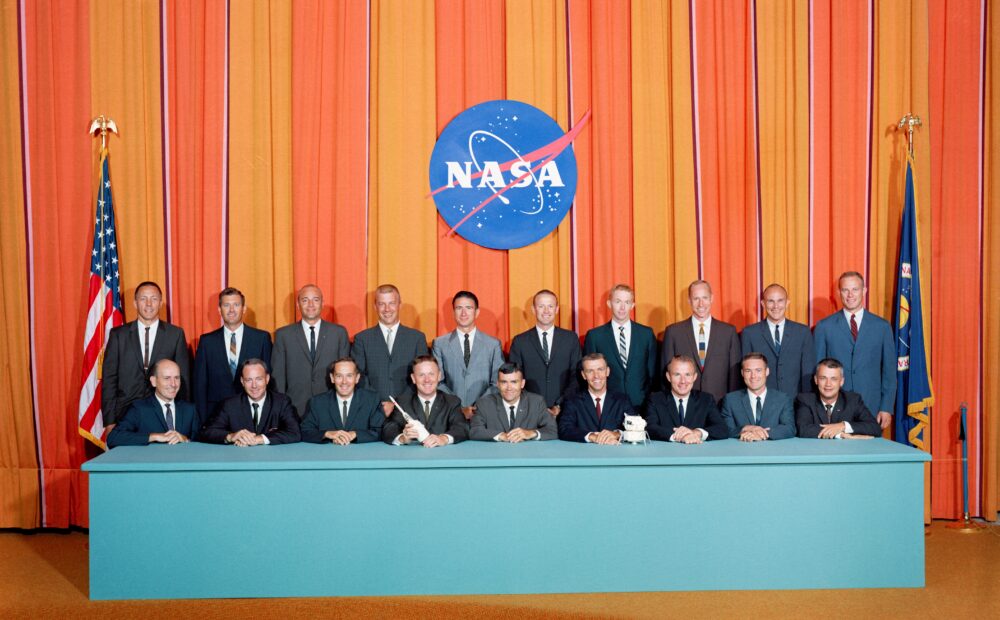
People often imagine NASA selecting its astronauts based on intelligence. It may surprise many that during one of the agency’s most competitive recruitment drives, IQ carried very little weight at all.
According to historical accounts of NASA’s 1966 Astronaut Group 5 selection process, candidates were scored on a 30-point system in which IQ counted for just one point, while engineering qualifications, pilot performance, technical interviews and character carried far greater weight. Rather than focusing on intelligence, the agency placed much greater emphasis on engineering ability, operational experience, motivation, judgement, and emotional stability — qualities believed far more important for surviving in the unforgiving environment of space.
By the mid-1960s, NASA had already completed the Mercury and Gemini programmes and was preparing astronauts for the more ambitious Apollo missions. Spaceflight had evolved from short experimental missions into technically demanding operations involving spacecraft docking, lunar exploration and emergency decision-making, so the agency sought candidates who combined technical knowledge with practical implementation and psychological resilience.
The official selection procedure evaluated candidates across categories including engineering and scientific knowledge, operational performance, motivation, communication skills, teamwork and leadership potential. While intelligence was assessed, it contributed just a single point within the overall scoring framework — a clear signal that it was viewed as only one element of a much broader profile, since astronauts would inevitably face situations where textbook knowledge alone wasn’t enough.



Leave a Reply