Scientists finally have a way to detect the plastic particles too small to see
A new detection method has allowed researchers to find nanoplastics in Antarctic soil for the first time, uncovering pollution earlier techniques were too insensitive to catch.
Finding nanoplastics in soil is one of the hardest things researchers can attempt. Unlike larger plastic fragments, nanoplastics occur at extremely low concentrations and are difficult to separate from soil particles. Earlier detection methods struggled because plastic particles clumped together, mixed with soil materials, and weren’t sensitive enough to catch very small amounts — until now.
Using a technique called thermal desorption-proton transfer reaction-mass spectrometry, researchers were able to detect nanoplastics in Antarctic soil for the first time, at concentrations measured in nanograms. As the study’s authors put it, the earlier gap “stems from analytical challenges, including matrix interference, particle aggregation, and limited sensitivity of existing detection methods — especially crucial in remote environments like Antarctica, where NP concentrations are extremely low.”
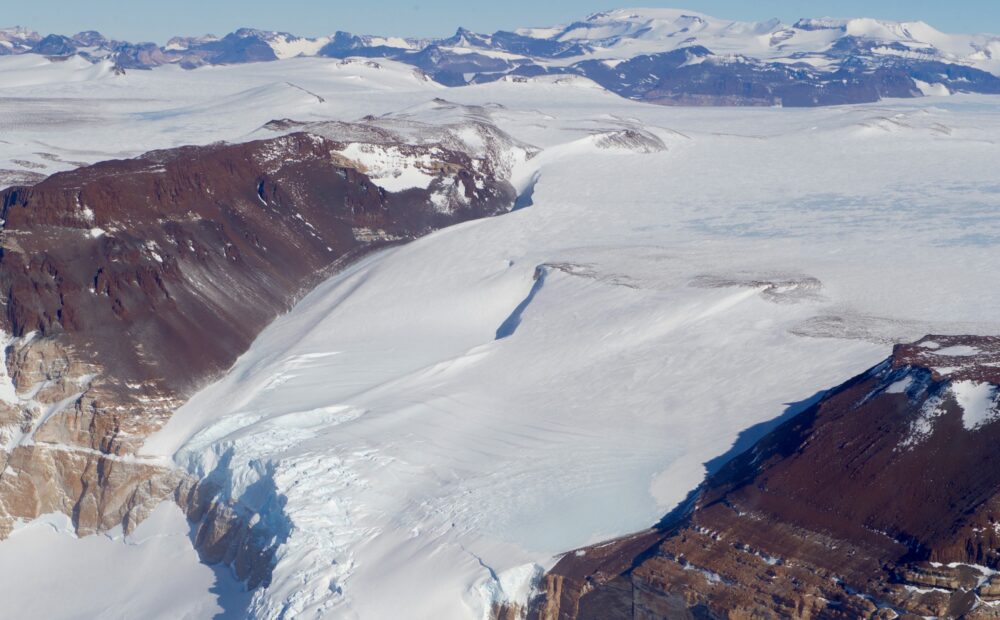
The study, published in Scientific Reports, examined soils from the McMurdo Dry Valleys, one of the coldest and driest regions on the planet. Researchers collected samples from the Taylor and Wright valleys during January 2023, analysing 13 topsoil samples and four deeper samples taken from more than 20 centimetres down. Nanoplastics were detected above the method’s detection limit in 54 percent of the topsoil samples, with the highest concentration reaching 295 nanograms per gram of soil.
Among the particles identified were fragments from tyre wear, along with five other common plastics used in everyday products, suggesting a combination of local human activity and long-range atmospheric transport as likely sources. The findings add to earlier detections of nanoplastics in remote locations such as Greenland and the Alps, reinforcing the idea that these tiny particles can travel enormous distances through the atmosphere.


Leave a Reply