Scientists thought human evolution slowed down, farming proves otherwise
A massive Harvard study analysing nearly 16,000 ancient human genomes found that natural selection sped up, not slowed down, once farming took hold.
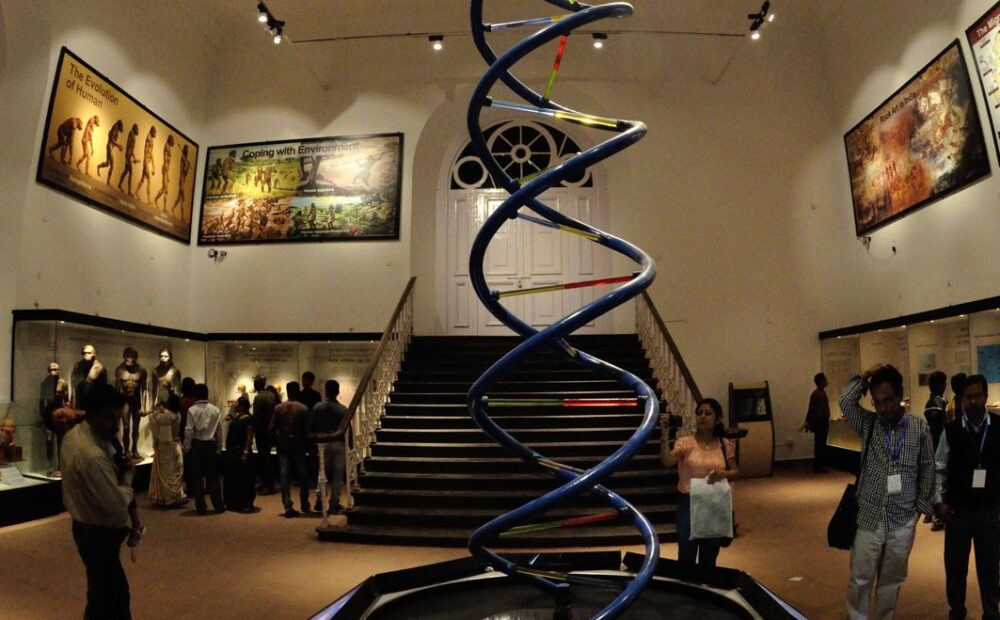
For years, the common belief among scientists was that human evolution had basically slowed to a crawl once we invented medicine, built cities and started farming our own food. If we could grow enough to eat and treat most illnesses, the thinking went, there was no real pressure left pushing our genes to change.
A massive new study from researchers at Harvard Medical School has now turned that idea on its head. By analysing nearly 16,000 ancient human genomes stretching back 10,000 years, scientists found that natural selection did not slow down at all, it actually sped up once farming took hold, reshaping hundreds of genes tied to everything from disease risk to basic survival.
The research, led by geneticist David Reich and his team at Harvard, was published in the journal Nature under the title ‘Ancient DNA reveals pervasive directional selection across West Eurasia.’ Instead of the handful of clear-cut cases scientists had previously identified, the study uncovered 479 gene variants showing strong evidence of directional selection, meaning specific genetic traits were consistently favoured or pushed out of populations over thousands of years.
According to a summary from Harvard’s Department of Human Evolutionary Biology, more than half of these gene variants have known links to disease risk and other traits still relevant to human health today. With this dataset said to double the size of existing ancient human DNA research, scientists expect it to open the door to a much deeper understanding of how disease, behaviour and basic human biology have evolved over the last 10,000 years.
Image: Wikimedia Commons/by Biswarup Ganguly



Leave a Reply