That viral ‘Neanderthal romance’ study isn’t really about love, scientists say
A new genetic study on Neanderthal-human interbreeding has been framed as a prehistoric love story online, but researchers say the data reveals inheritance patterns, not relationships.
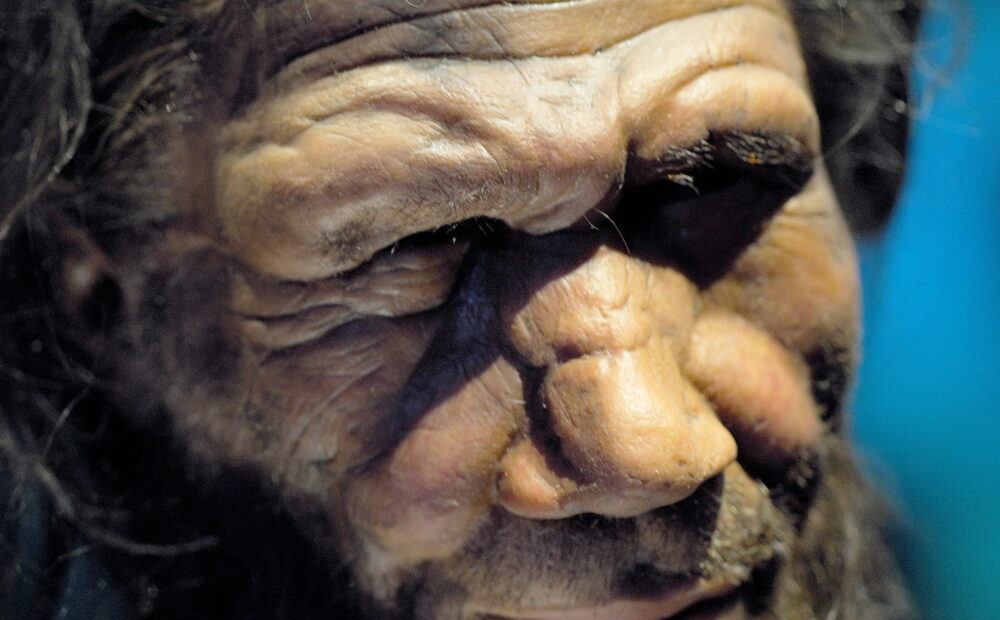
A new genetic study has been making the rounds online framed as evidence of a prehistoric love story, but the scientists behind it want to set the record straight: the data shows inheritance patterns, not romance.
The research, published in the journal Science, examined why Neanderthal DNA appears frequently across most of the modern human genome but is unusually rare on the X chromosome specifically. By tracing ancient DNA in both directions, researchers found that Neanderthal genomes carry a 62% relative excess of modern human ancestry on their X chromosomes, a mirror-image pattern to what’s seen in humans.
Modelling suggested the simplest explanation is a sex bias in ancient interbreeding, with unions between male Neanderthals and female Homo sapiens occurring more often than the reverse. But researchers are explicit that this is a statistical pattern derived from surviving lineages, not proof of attraction, courtship or long-term partnerships between the two groups.
Anthropologists caution against reading emotion or social behaviour directly into DNA. Genetic patterns show which lineages survived long enough to reach people alive today, but they can’t distinguish whether interbreeding stemmed from long partnerships, brief encounters, migration or conflict. A separate study of Neanderthal remains from El Sidrón Cave in Spain adds a layer of complexity, finding that males shared closely related maternal lineages while females carried more diverse mitochondrial DNA, consistent with women moving between communities rather than men.
Scientists say the findings mark another piece of the human evolution puzzle rather than a definitive story, with demographic shifts, biological factors and natural selection likely shaping which genes persisted over tens of thousands of years.

Leave a Reply