The UN declared housing a human right in 1948, so why is it still a privilege?
The United Nations first recognised housing as a human right in 1948, yet violations remain widespread because it is rarely treated as one in domestic policy.
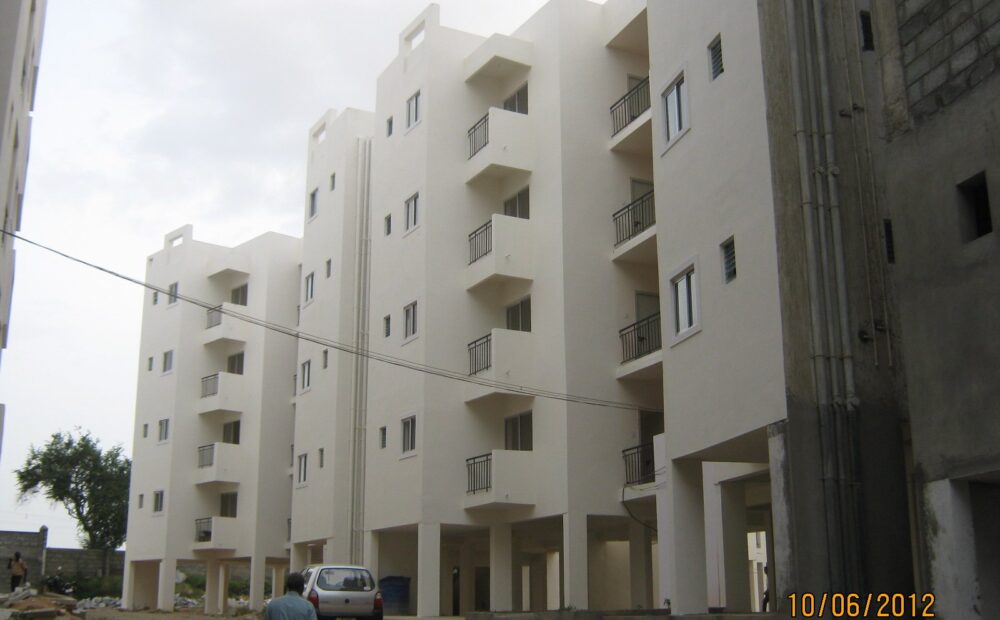
The right to adequate housing was first recognised under Article 25 of the Universal Declaration of Human Rights in 1948, as part of the right to an adequate standard of living. It was later reaffirmed under Article 11.1 of the International Covenant on Economic, Social and Cultural Rights in 1966, and every UN member state has since ratified at least one treaty that recognises or relates to it.
Yet nearly eight decades later, violations of this right remain widespread, largely because housing is rarely treated as a genuine human right in domestic policymaking. According to the United Nations, more than 1.8 billion people currently live in informal settlements or other inadequate housing, often without reliable access to water, sanitation or electricity, and under constant threat of forced eviction.
The UN Committee on Economic, Social and Cultural Rights has clarified that the right should not be interpreted narrowly — it means living somewhere in security, peace and dignity, encompassing both freedoms, such as protection against forced eviction, and entitlements, such as legal security of tenure and non-discriminatory access to housing.
Housing is increasingly viewed as an investment asset rather than a social good, a shift the UN says has combined with climate change, conflict and large-scale development projects to displace millions and make cities increasingly unaffordable. Realising the right, the UN says, depends on governments adopting appropriate laws, policies and national housing strategies.
Image: Wikimedia Commons/by JanShu


Leave a Reply