‘You destroy yourself’: the warning Nixon gave on his last day as president
Richard Nixon's farewell speech on 9 August 1974, delivered a day after his resignation, contained a line about hatred that historians say foreshadowed his own downfall.
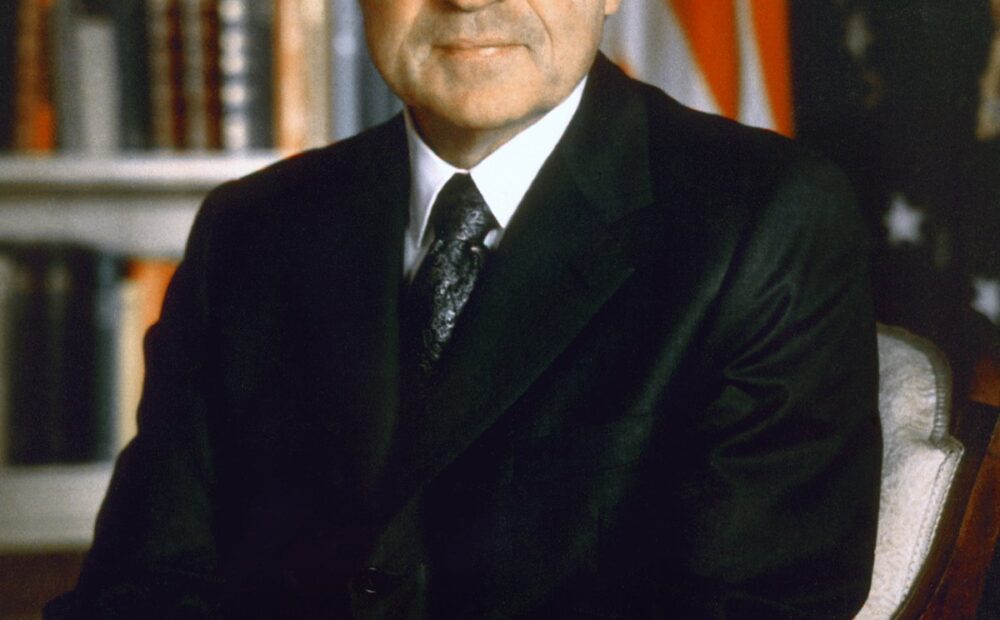
On 9 August 1974, a day after announcing his resignation as the 37th president of the United States, Richard Nixon addressed his White House staff for the final time. The speech touched on the controversies that had defined his presidency from 1969 to 1974, but the line historians remember most had nothing to do with policy. “Always give your best, never get discouraged, never be petty; always remember, others may hate you, but those who hate you don’t win unless you hate them, and then you destroy yourself,” Nixon told the room.
Nixon reached the White House in 1969 after one of the most dramatic comebacks in American political history. He had lost the 1960 presidential race to John F Kennedy in one of the closest contests the country had seen, then lost the California governor’s race two years later, telling reporters at the time, “You won’t have Nixon to kick around anymore.” He rebuilt his political career around what he called the ‘silent majority’ and won the presidency in 1968.
His time in office produced major shifts in American foreign policy. Nixon’s 1972 visit to Beijing reopened diplomatic relations with China after more than two decades of isolation, and his administration pursued détente with the Soviet Union through arms-control agreements. At home, his presidency created the Environmental Protection Agency and signed reforms covering environmental protection, workplace safety and healthcare funding.
Yet the same man who achieved those successes never stopped believing he was surrounded by enemies. He viewed the press as hostile and suspected political rivals of working to destroy him. That suspicion hardened into the Watergate scandal, which began with a break-in at the Democratic National Committee headquarters in 1972 orchestrated by members of his administration — while Nixon was already headed toward a landslide re-election. The cover-up that followed, later exposed through his own secret Oval Office tapes, proved more damaging than the break-in itself.
By August 1974, with support collapsing even within his own Republican Party and impeachment all but certain, Nixon became the only US president to resign from office. His farewell words, delivered the next day, read today as an unintentional account of his own final years — proof that the hostility of others rarely does the damage that giving in to it does.
Image: Wikimedia Commons (National Archives and Records Administration, public domain)


Leave a Reply